5 Signs Your Business Assets Are Overdue for a Professional Clean
Learn the top signs your business needs asset cleaning services to prevent breakdowns, reduce downtime, improve hygiene, and stay compliant.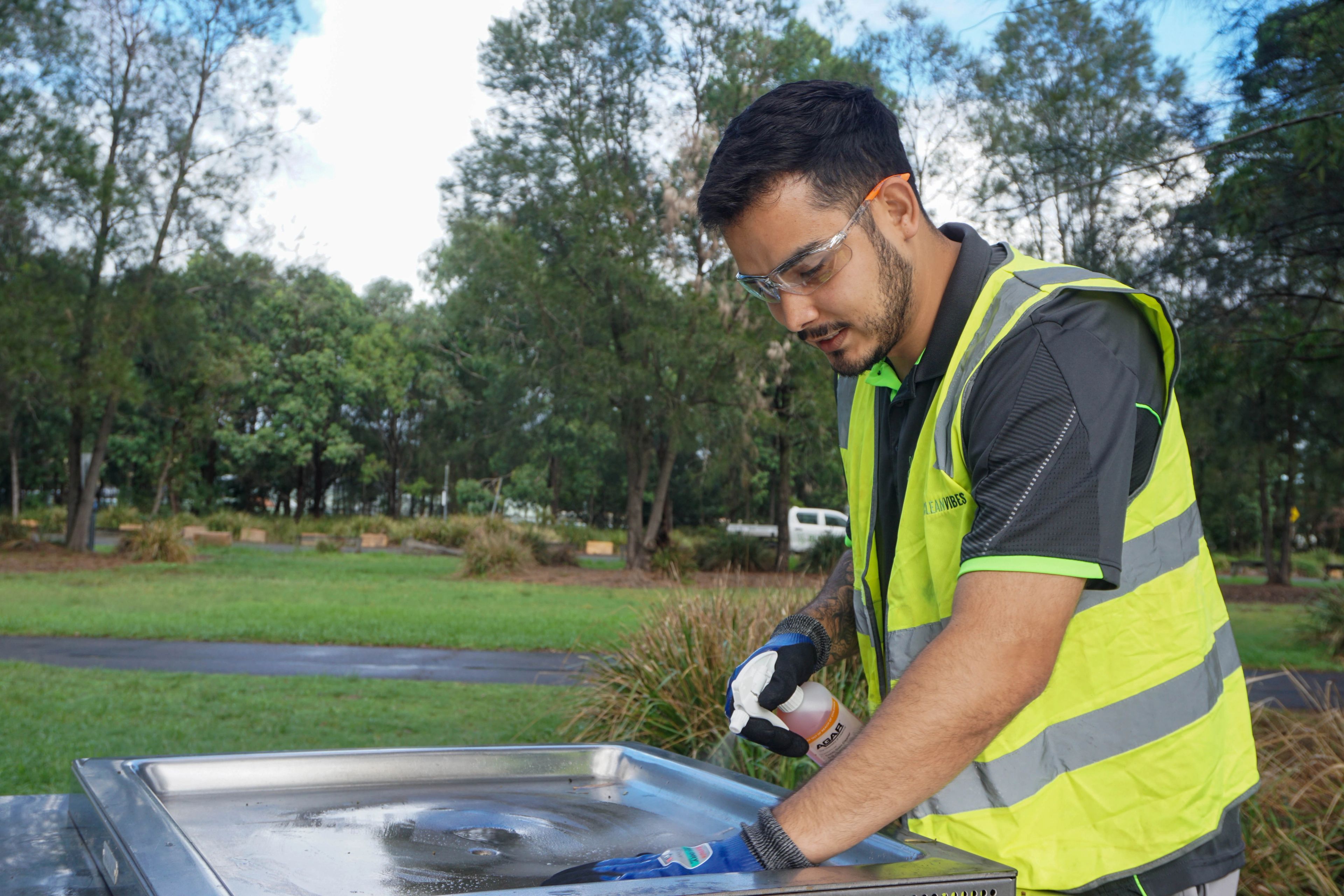
There is a pattern that repeats itself across businesses, retail centres, logistics hubs, hospitality venues to council facilities alike: equipment gets dirty, warning signs appear, and action is delayed.
Whether it is cost concerns, busy schedules, or simply not knowing what to look for, the decision to call in professional asset cleaning services is made far too late and by then, the damage is done.
The hidden cost of delayed equipment maintenance runs far deeper than most operators realise. It shows up in higher repair bills, failed compliance checks, reduced machine performance, and the slow erosion of your reputation in the eyes of customers and regulators alike. A machine that could have been cleaned for a few hundred dollars ends up costing thousands in repairs, downtime, and lost revenue.
Reactive cleaning by responding only when something breaks or gets flagged always costs more than a proactive schedule. Emergency callouts, expedited part replacements, and the reputational fallout of a visibly neglected public-facing asset are costs that a structured cleaning schedule eliminates. It is what separates businesses that manage their assets well from those that repeatedly manage crises.
Here are the five clearest warning signs that your assets are overdue for professional attention.
Sign 1: Visible Grime, Residue, or Odour on Equipment Surfaces
It might seem obvious, but visible dirt is often the most ignored warning sign. In busy operations, surface buildup is treated as cosmetic, something to wipe down when there is a spare moment. In reality, it is far more than an aesthetic issue.

Grease, food residue, environmental particulate, and chemical deposits accumulate in layers. Over time, they penetrate seals, degrade surface coatings, corrode metal components, and create environments where bacteria and mold thrive. What looks like a dirty exterior is often a symptom of interior contamination that is already affecting performance.
For reverse vending machines (RVMs) a core part of Australia's Container Deposit Scheme infrastructure surface residue creates a direct functional problem. Sticky containers, greasy sensor windows, and residue-coated deposit trays interfere with barcode recognition and sensor accuracy. When machines misread containers or reject clean deposits, users lose confidence in the system. Participation rates drop, and the scheme's effectiveness is undermined at the site level.
Public-facing assets carry an additional burden: every customer who interacts with a visibly dirty machine forms a judgement about the business or council behind it. A grimy RVM, a stained BBQ station, or a foul-smelling piece of outdoor equipment signals poor standards and that signal sticks.
Sign 2: Increased Error Rates or Machine Downtime
If your equipment is generating more error codes, requiring more frequent resets, or sitting out of service more often than it used to, dirt and debris are likely contributors. This is one of the most financially damaging warning signs and one of the most misdiagnosed.
The link between poor asset cleaning and rising repair call-outs is well-established among equipment maintenance professionals. Technicians frequently identify contamination as the root cause of faults that appear electronic or mechanical in nature. The repair is completed, but without addressing the cleanliness issue, the fault returns and each return visit adds to the cost.
Professional asset cleaning services prevent these faults before they escalate. Scheduled deep cleans remove the buildup that causes component stress, extend the operational lifespan of machinery, and reduce the frequency and severity of technical failures. The return on investment from a proactive cleaning schedule is measurable and significant.
Sign 3: User or Customer Complaints About Cleanliness
Customer complaints are uncomfortable to receive, but they are among the most valuable signals a business can act on. When users take the time to report a cleanliness issue, they represent a fraction of the people who noticed the same problem but said nothing and simply stopped using the asset, or stopped returning to your site.
Every complaint about cleanliness is telling you something specific: your current cleaning routine is not meeting the standards that users expect. It is not a reflection of intention; it is a reflection of frequency, method, or depth of cleaning.
Unresolved cleanliness complaints create compounding reputational damage at public touchpoints. Online reviews, social media posts, and word-of-mouth spread quickly. A single negative experience shared publicly can reach hundreds of potential customers. For councils, shopping centres, and hospitality venues, the brand implications of neglected public-facing assets are significant.
The right response to cleanliness complaints is not just to clean the asset in question, it is to treat the complaint as a trigger for reviewing your entire cleaning services schedule. A structured, documented program that prevents complaints from arising in the first place is the standard to aim for.

Sign 4: Failed Hygiene or Compliance Inspections
Australia's workplace health and safety framework places clear obligations on businesses when it comes to equipment cleanliness, particularly for assets in food-adjacent, public-facing, or high-traffic environments. A failed inspection is not just a fine or a warning notice; it can result in operational shutdown, mandatory remediation, and the kind of regulatory attention that affects future contracts and licensing.
Industries most at risk of compliance failures due to neglected asset maintenance include hospitality and food service, healthcare and aged care facilities, local government-managed public spaces, retail environments with food or beverage adjacency, and logistics and waste management operations. For any business in these sectors, cleanliness is not optional, it is a legal and operational baseline.
This is where professional asset cleaning services provide a distinct advantage: accountability through documentation. Clean Vibes provides timestamped photographic records of every clean completed, creating an audit trail that demonstrates compliance and protects your business in the event of an inspection. No guesswork, no disputes, just verifiable evidence that your assets have been maintained to standard.
Sign 5: Visible Pest Activity or Contamination Risk
Pest activity near commercial equipment is not a nuisance issue; it is a public health concern and a legal liability. Cockroaches, rodents, and flies are attracted to the organic residue that accumulates in and around dirty equipment, particularly in warm, sheltered areas such as machine housings and outdoor BBQ stations.
For businesses operating in commercial or outdoor environments, the risk is elevated. Food-adjacent residue, sugar from beverage containers, grease from cooking surfaces, and moisture from condensation create ideal conditions for pest colonisation. Once pests are present, contamination spreads rapidly, and the liability associated with a pest-linked health incident is severe.

Professional reverse vending machine cleaning eliminates the buildup that attracts pests in the first place. Deep cleaning of internal compartments, drainage trays, and surrounding areas removes the organic material that supports pest habitation. The same principle applies to outdoor BBQ cleaning: removing accumulated grease, food residue, and ash not only eliminates pest attractants but also reduces the fire risk associated with grease buildup on cooking surfaces.
What to do when you see these warning signs
Identifying a warning sign is the first step. Acting on it systematically is what separates businesses that manage their assets well from those that repeatedly manage crises.
Step 1: Conduct a Quick Internal Asset Audit
Walk your sites and assess each asset against the five signs above. Note which assets show surface grime, which have had recent downtime or error rates, whether there have been complaints, whether any inspections are upcoming, and whether there is any evidence of pest activity. This does not need to be complex; a simple checklist per site is sufficient.
Step 2: Prioritise Immediate vs. Scheduled Needs
Not every dirty asset needs emergency attention. Assets with pest activity or contamination risk, machines that have failed inspections, or equipment generating active complaints should be treated as immediate priorities. Assets with surface buildup and no performance impact can be scheduled for the next available clean cycle. Clean Vibes can help you assess and triage across your asset portfolio if you are unsure where to start.

Step 3: Build a Customised Cleaning Schedule
A recurring cleaning schedule calibrated to the usage intensity of each asset, the environment it operates in, and the compliance obligations of your industry is the only reliable way to prevent recurring warning signs. Work with your provider to define cleaning frequencies, scope, and documentation requirements for each site and asset type.
Final Step: Partner with a Specialist Provider
The value of partnering with a specialist cleaning services provider cannot be overstated. Generic cleaning contractors often lack the equipment-specific knowledge, chemical handling expertise, and documentation systems that professional asset cleaning demands. A specialist provider brings trained technicians, the right tools for each asset type, and a quality assurance framework that protects your compliance position.

Clean Vibes delivers professional asset cleaning services across RVMs, commercial and public BBQ infrastructure, outdoor equipment, and mixed-use facilities — with coverage across metro and regional areas. Our programs are built around EPA-compliant chemical handling, timestamped documentation, digital reporting dashboards, and a 24/7 helpdesk with a 2-hour urgent response guarantee.
If any of the five signs above apply to your assets, now is the right time to act. Reach out to us to discuss a cleaning schedule that fits your sites, your compliance obligations, and your operational calendar.
Contact usFAQs
Common signs include visible grime, unpleasant odours, increased equipment downtime, customer complaints, pest activity, and failed hygiene inspections. These issues often indicate deeper contamination that can affect performance, compliance, and overall business reputation if left untreated.
Poor asset cleaning allows dirt, grease, and residue to build up inside equipment, causing overheating, sensor failures, reduced efficiency, and frequent breakdowns. Regular professional cleaning helps maintain performance, extend equipment lifespan, and minimise costly disruptions to repair and maintenance.
Yes, neglected asset maintenance can lead to hygiene breaches, failed inspections, regulatory penalties, and operational shutdowns. Businesses in hospitality, retail, healthcare, and public facilities must consistently maintain clean equipment to meet Australian safety, hygiene, and compliance standards.
Pest activity around business assets increases contamination risks, damages equipment, and creates serious health and safety concerns. Rodents, flies, and cockroaches are attracted to food residue and waste buildup, potentially leading to compliance issues, customer complaints, and reputational damage.
The ideal cleaning frequency depends on equipment type, usage levels, and industry regulations. High-traffic or food-related assets often require scheduled monthly or quarterly professional cleaning to maintain hygiene, prevent breakdowns, support compliance, and ensure consistent operational performance.