What Sustainable Waste Management Looks Like in 2026 for Aussie Businesses
Learn how sustainable waste management in 2026 helps Australian businesses cut landfill waste, improve recycling, meet ESG goals, and stay compliant.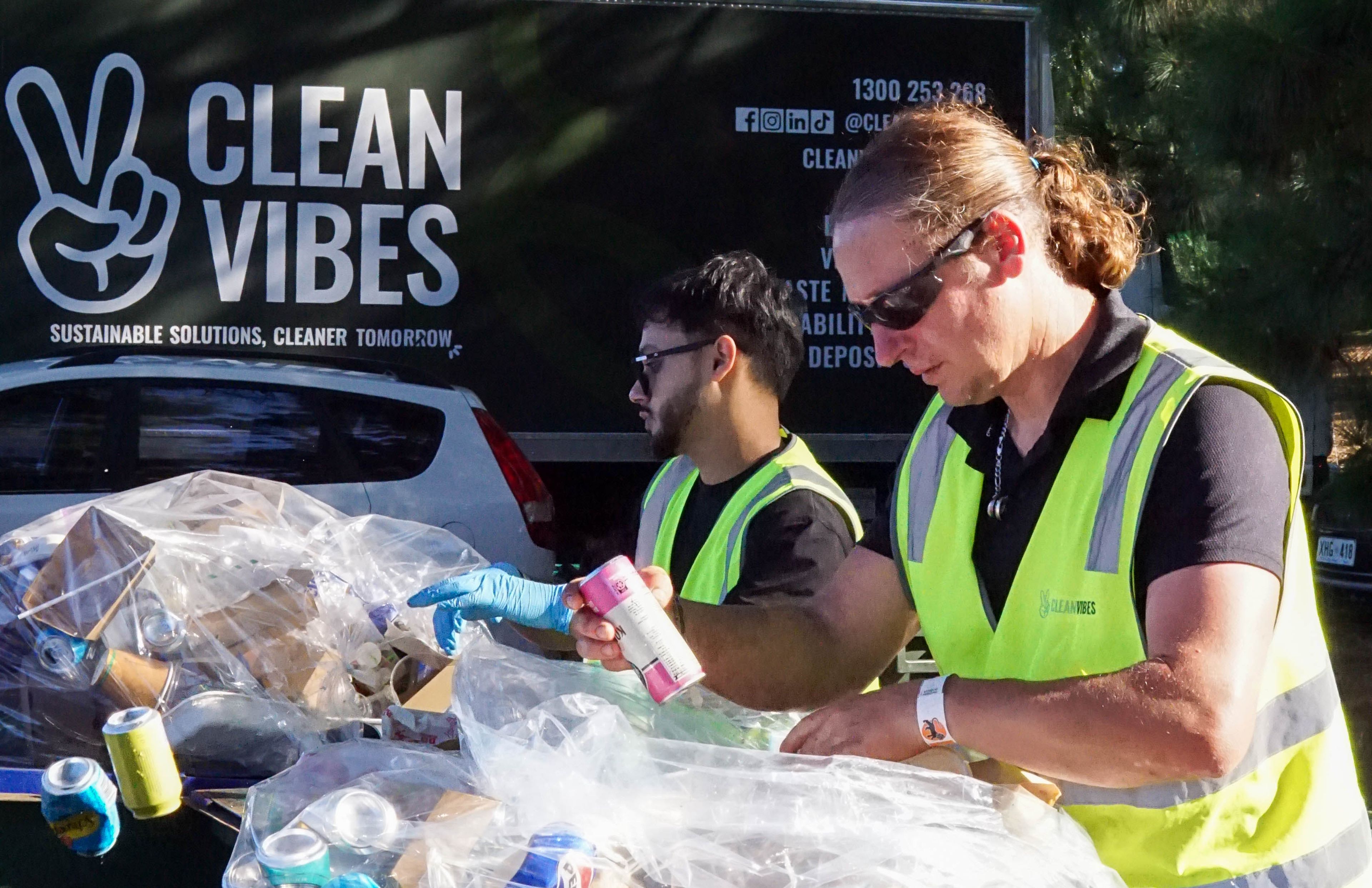
What Sustainable Waste Management Looks Like in 2026 for Aussie Businesses
Australia produces a significant amount of waste each year. Recent estimates show the country generates around 75.8 million tonnes of waste annually, with household waste accounting for roughly 14% of the total. Despite a national recovery rate of about 66%, only 3.7% of Australia’s economy currently operates within a circular model. On average, Australians produce over half a tonne of household waste per person every year.
These figures highlight why sustainable waste management has become a priority for businesses across Australia. In 2026, organisations are increasingly adopting structured waste strategies supported by professional waste management service providers to reduce landfill waste, improve recycling outcomes, and meet environmental obligations.
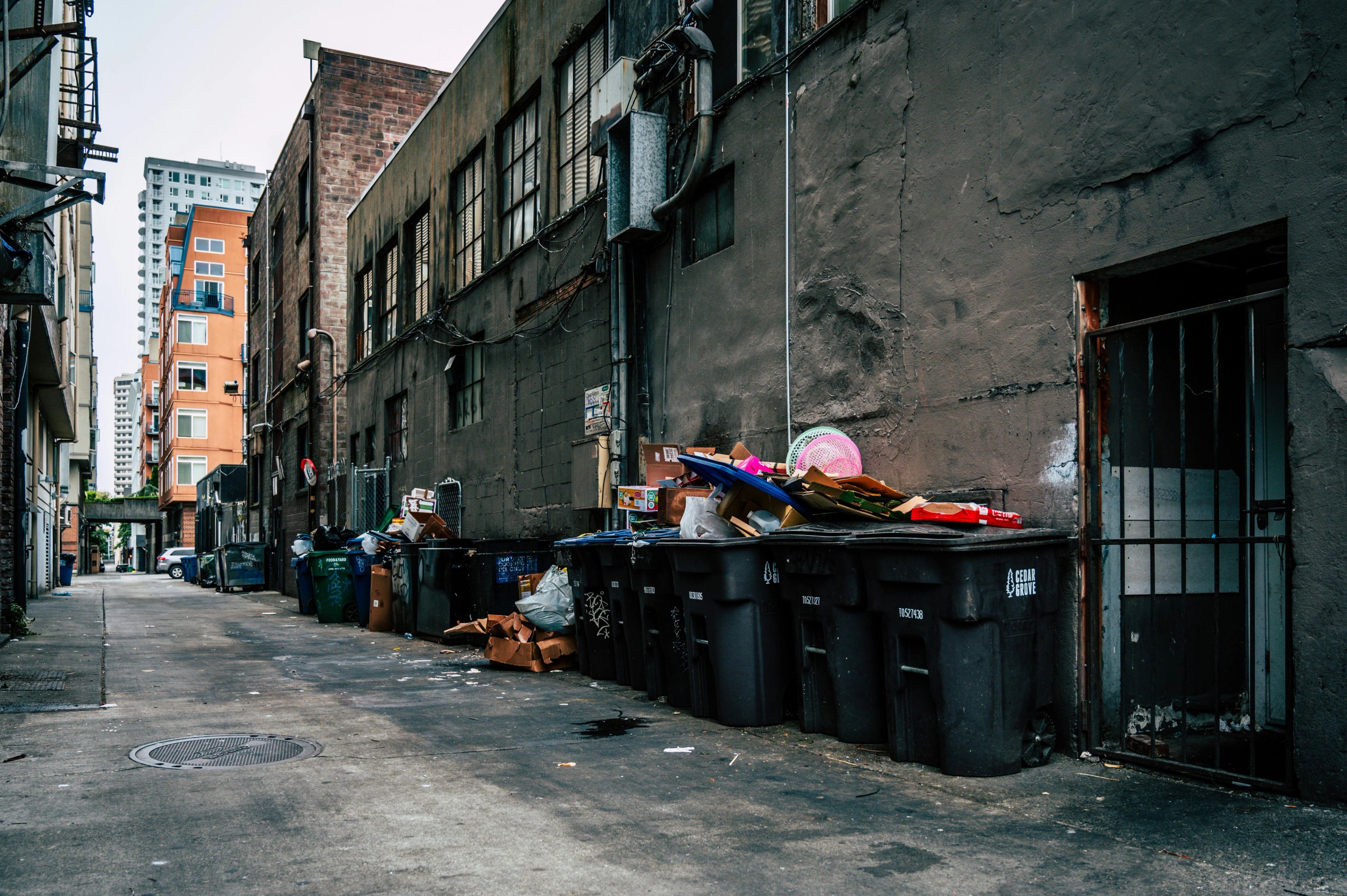
Back of House Commercial Waste and Rubbish
What Is Sustainable Waste Management?
Sustainable waste management refers to handling waste in ways that reduce environmental impact, conserve natural resources, and support ecological balance. Instead of focusing only on disposal, this approach treats waste as a potential resource by prioritising waste reduction, recycling, composting, and material recovery within a circular economy framework.
Why Sustainable Waste Management Matters in Australia Today
Waste management is no longer simply about collecting and disposing of rubbish. Businesses today must consider how their waste affects the environment, their operational costs, and their sustainability commitments.
Sustainable waste management helps organisations:
- Reduce landfill disposal and associated costs
- Improve recycling and resource recovery
- Support environmental compliance requirements
- Strengthen ESG reporting and sustainability performance
With rising environmental awareness and stricter regulations, businesses that actively manage their waste streams are better positioned to meet sustainability expectations.
Australia’s National Waste Policy and 2030 Targets
Australia’s sustainability efforts are guided by the National Waste Policy Action Plan, which aims to transform the country’s waste system into a circular economy.
Key targets include:
- Achieving an 80% average resource recovery rate by 2030
- Significantly reducing waste sent to landfill
- Increasing recycling rates across commercial and industrial sectors
These national goals encourage businesses to adopt structured waste audit & management service programs to identify inefficiencies and improve waste recovery.
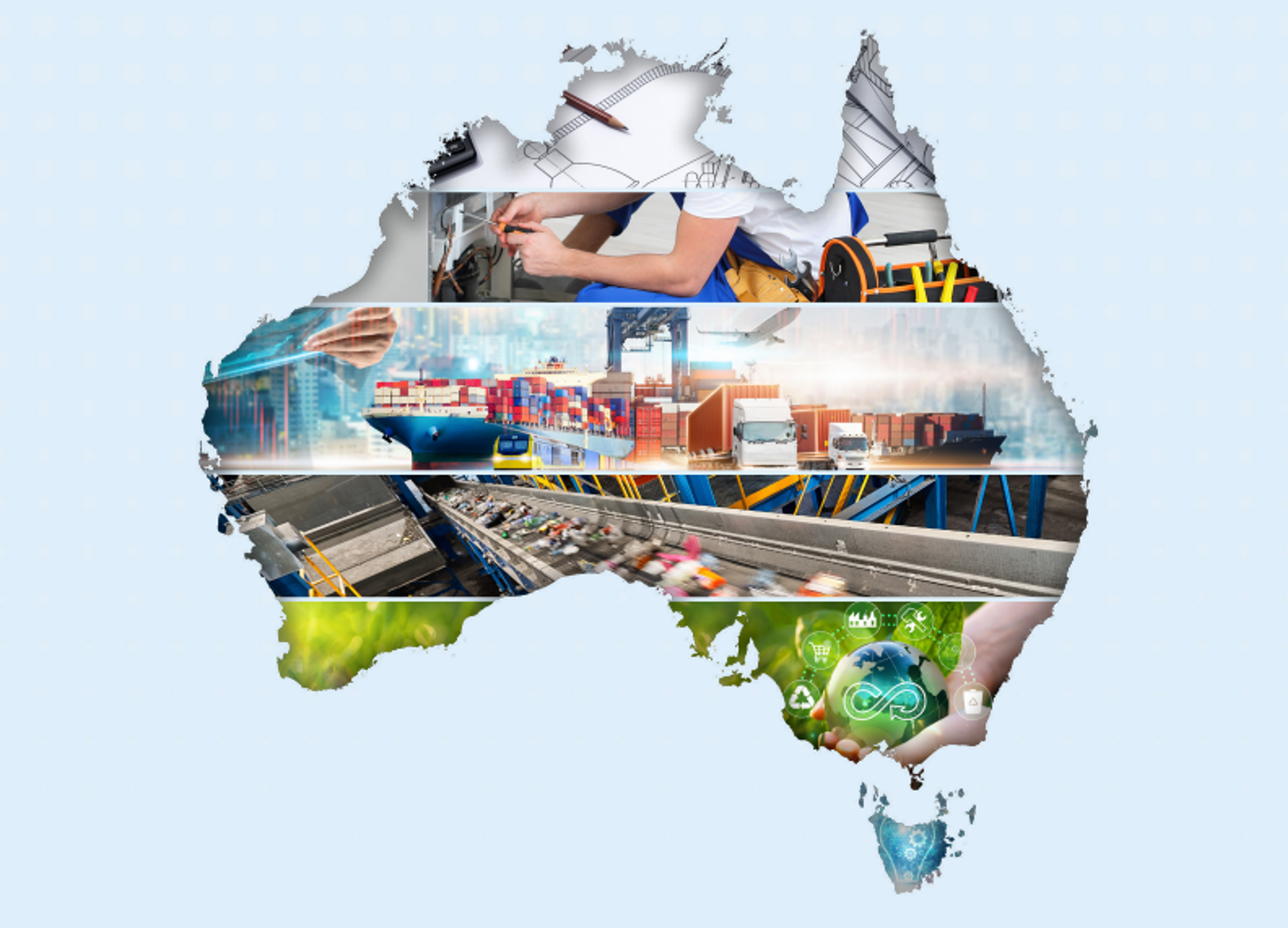
Australian National Waste Policy - Action Plan
State-Based Waste Regulations Across Australia
Although national policies provide direction, waste management regulations are largely implemented at the state level.
Businesses operating across multiple states must comply with varying regulatory frameworks, including:
- New South Wales: Container deposit schemes and landfill diversion initiatives
- Victoria: Circular economy strategies and enhanced waste reporting requirements
- Queensland: Waste levy programs encouraging recycling and waste reduction
- Western Australia: Waste avoidance and resource recovery targets
Professional waste management services help organisations navigate these regional requirements while maintaining compliance.
ESG Reporting and Corporate Responsibility Pressures
Environmental, Social, and Governance (ESG) reporting has become an essential component of corporate responsibility. Businesses are increasingly expected to measure their environmental footprint and demonstrate measurable sustainability progress.
Waste data plays a major role in ESG reporting because it provides insights into:
- Carbon emissions linked to waste disposal
- Resource recovery and recycling performance
- Landfill diversion rates
- Environmental impact reduction efforts
Reliable waste tracking and reporting are therefore essential for businesses looking to improve transparency and sustainability performance.
The Role of Waste Audit & Management Services
Many businesses struggle to improve sustainability because they lack clear visibility into their waste streams. Professional waste audit & management services help bridge this gap.
These services assess how waste is generated, handled, and disposed of across an organisation. By analysing waste streams and operational processes, service providers identify opportunities to improve recycling, reduce landfill waste, and optimise waste management practices.
The insights gained through these audits allow businesses to reduce operational costs while improving their environmental performance.
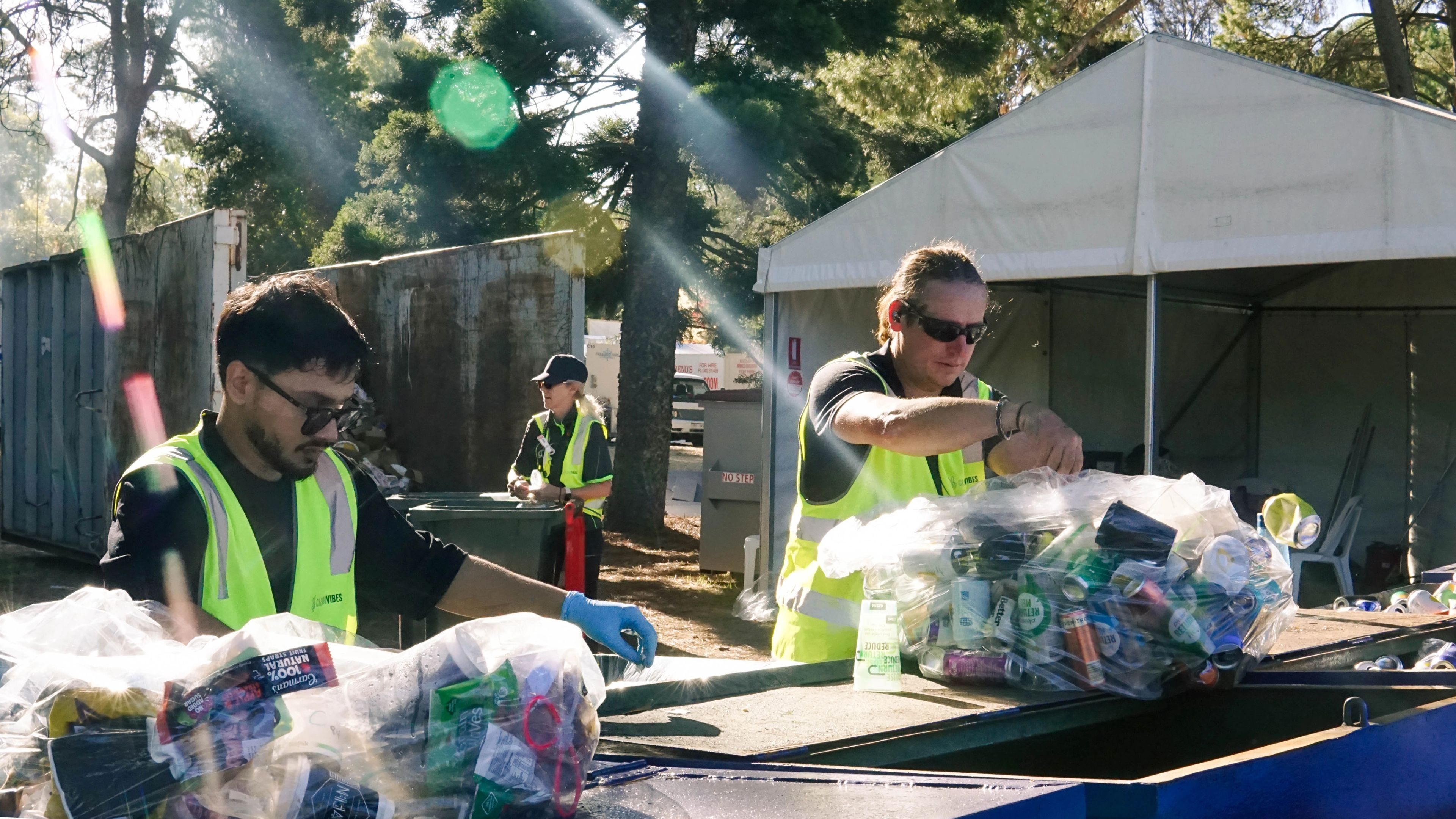
Team members conducting a waste audit
What a Waste Audit Includes
A comprehensive waste audit examines how waste moves through a business and identifies opportunities for improvement.
Identifying Contamination and Cost Leakage
Contamination occurs when recyclable materials are mixed with general waste. When this happens, entire loads may be rejected and sent to a landfill.
A waste audit reveals these contamination issues and identifies where incorrect disposal practices are occurring.
Measuring Environmental Impact
Waste audit services also measure the environmental impact of current waste management practices. This includes assessing recycling rates, landfill volumes, and the potential carbon reductions achievable through improved waste diversion.
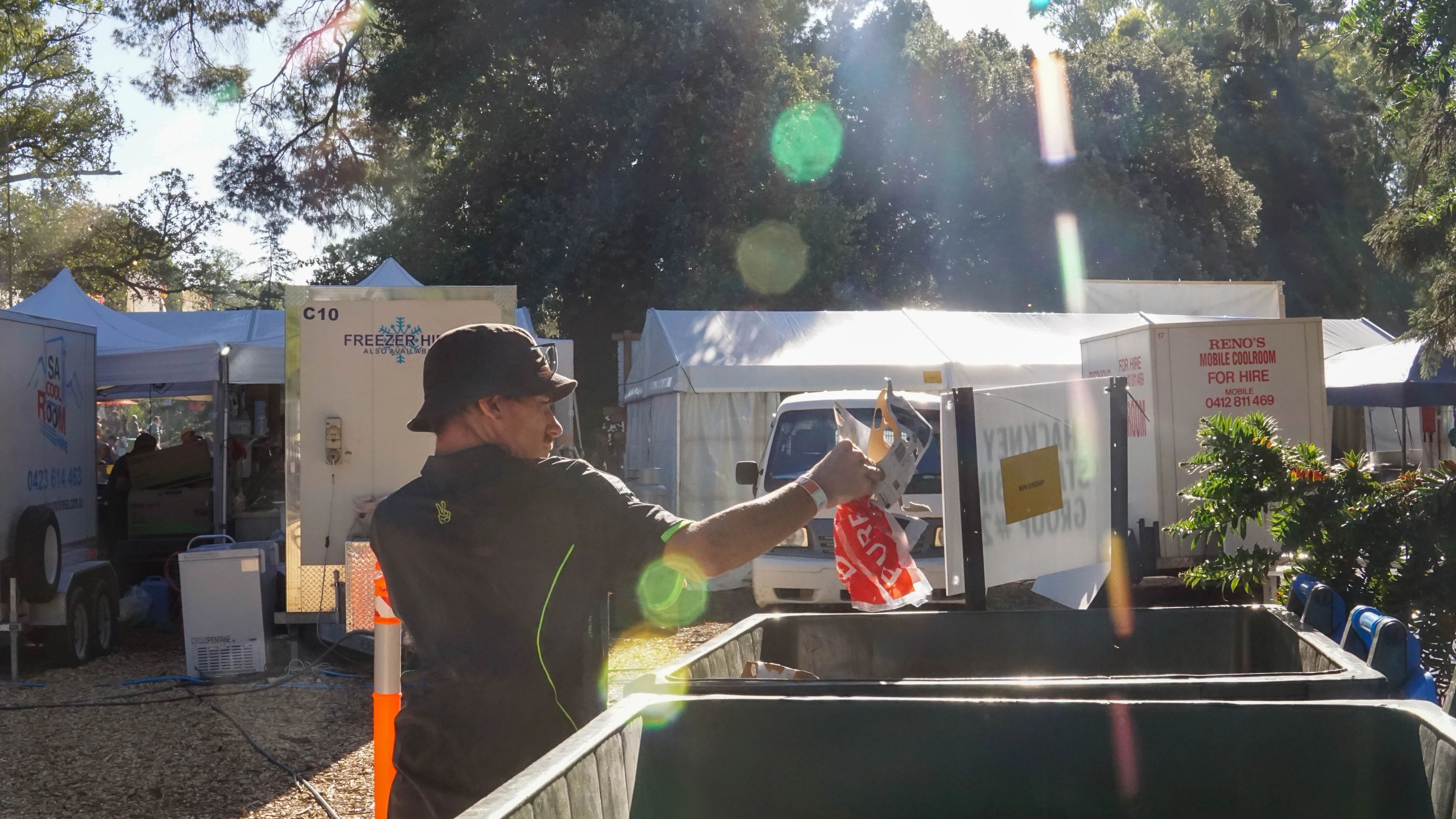
Team member checking bin contents
Setting Diversion Targets
Based on the findings, businesses can establish realistic landfill diversion targets and sustainability goals that align with Australia’s broader environmental objectives.
What’s Included in Professional Waste Audit & Management Services?
Comprehensive waste management services go beyond the initial audit to provide ongoing support and performance monitoring.
Baseline Waste Data Collection
Service providers track waste volumes, composition, and disposal costs over time. This baseline data helps businesses understand current waste performance and measure improvements after changes are implemented.
Bin Infrastructure Optimisation
Inefficient bin placement or insufficient recycling options can reduce recycling rates. Waste management specialists help redesign waste stations by adjusting bin sizes, locations, and signage to make waste separation easier for staff and visitors.
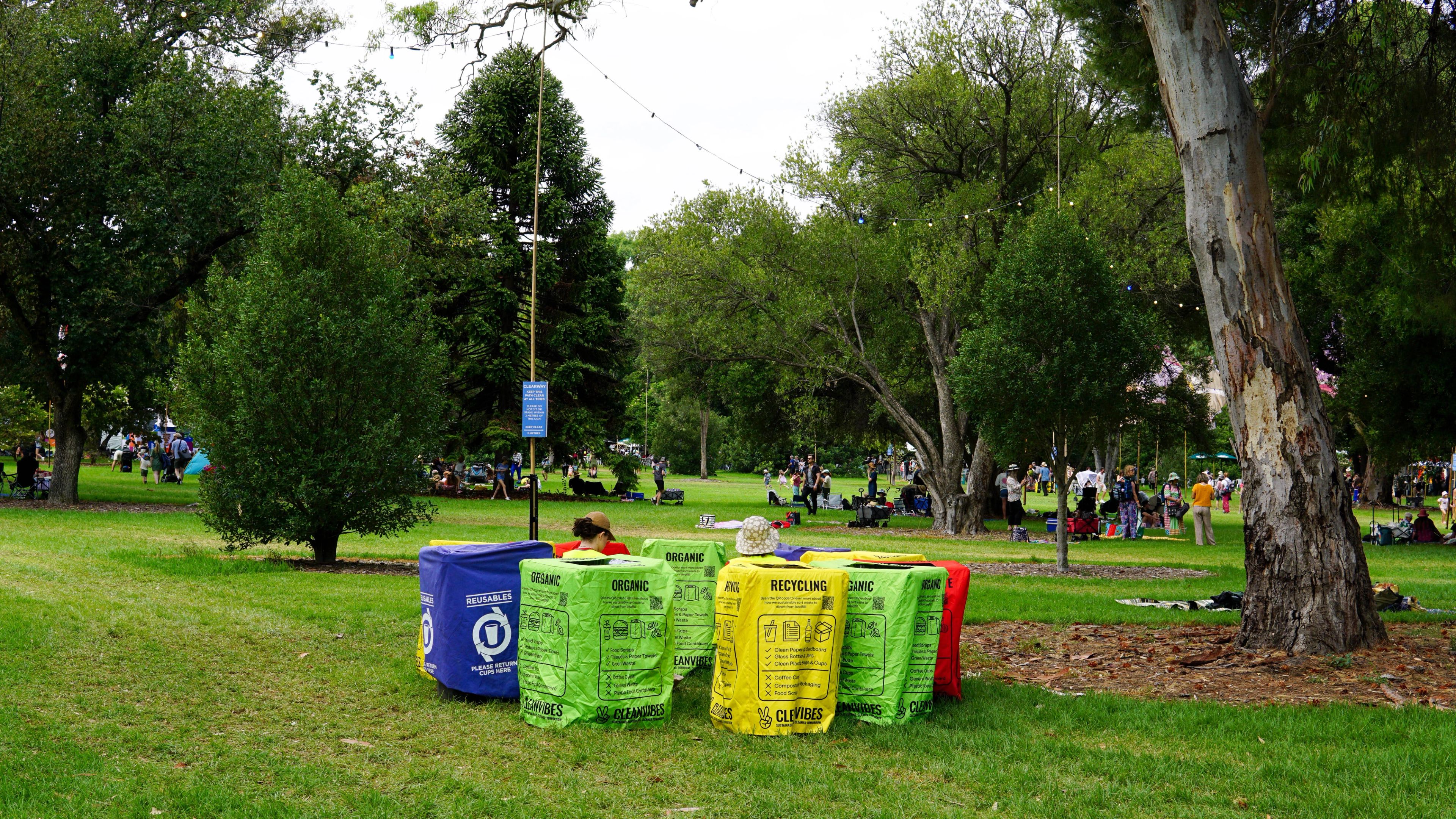
Coloured bin covers and volunteers at festival
Implementation Support
Many waste management providers assist with operational changes such as bin reconfiguration, contractor coordination, and establishing appropriate waste collection schedules.
Staff Education and Training
Employee behaviour plays a major role in waste separation success. Training programs teach staff how to correctly sort waste, prevent contamination, and understand the environmental and financial benefits of sustainable waste practices.
Compliance Guidance
Waste regulations in Australia continue to evolve. Professional providers help businesses stay informed about legislative requirements and reporting obligations, ensuring operations remain compliant with environmental standards.
How Sustainable Waste Management Reduces Environmental Impact
Implementing sustainable waste management practices can deliver significant environmental benefits. Diverting waste from landfills helps reduce methane emissions, a greenhouse gas 25 times more potent than carbon dioxide. Every tonne of waste redirected to recycling or composting facilities lowers the carbon footprint of business operations.
Recycling also conserves natural resources. Producing aluminium from recycled materials uses around 95% less energy than manufacturing it from raw ore. Similarly, recycled paper requires significantly less water and energy compared to producing paper from virgin timber.
Organic waste composting offers additional environmental benefits. Instead of producing harmful landfill leachate, food scraps and organic materials can be converted into nutrient-rich compost that improves soil health.
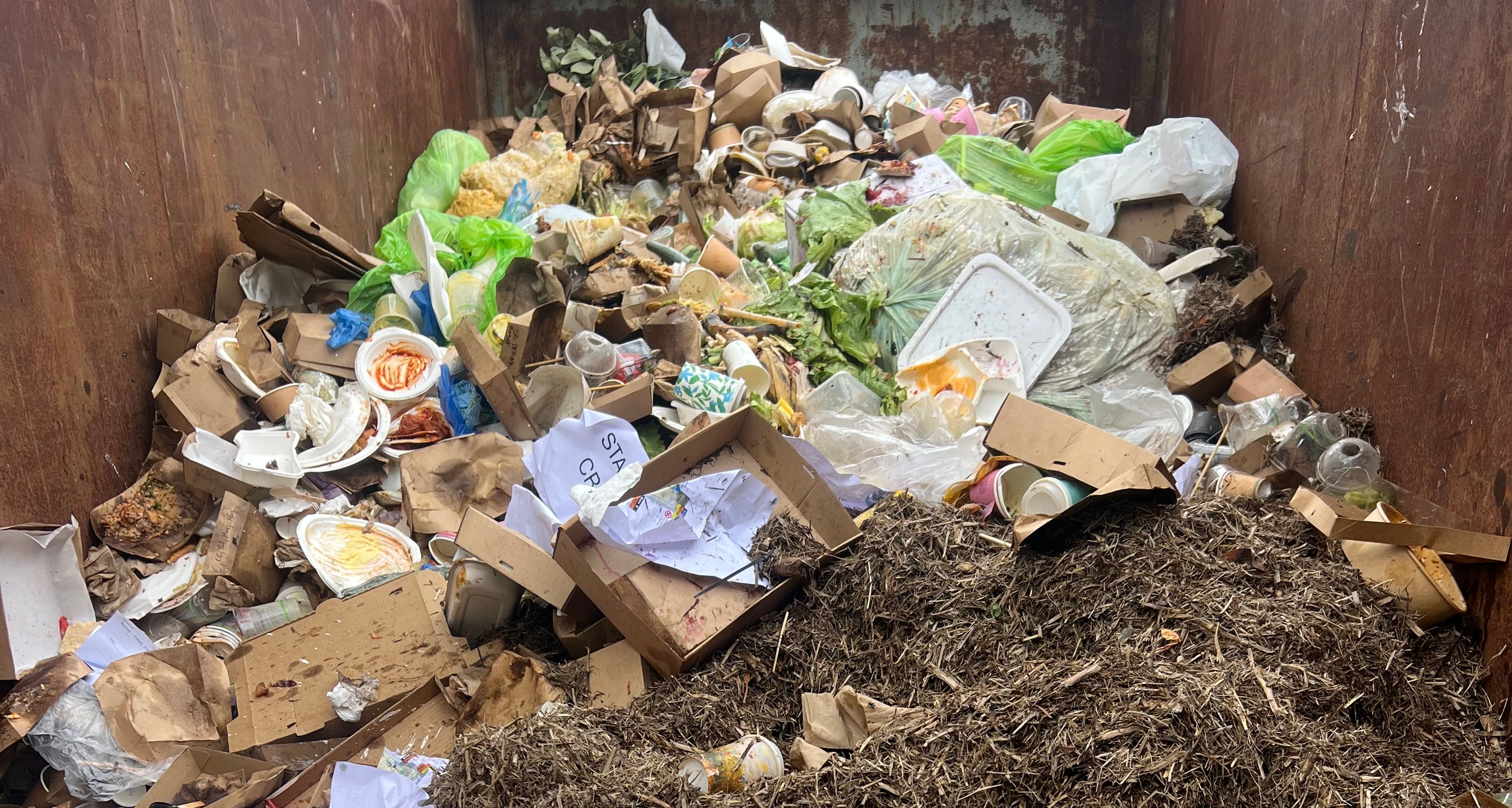
Organic Waste in a Skip Bin
Over time, these practices contribute to broader environmental outcomes such as reduced resource extraction, lower pollution levels, and protection of natural ecosystems.
Choosing the Right Waste Management Service Partner
Selecting the right waste management partner is essential for achieving sustainable outcomes. Businesses should look for providers with experience conducting waste audits within their industry sector, as this ensures recommendations are practical and relevant.
Service scope is also important. A provider offering comprehensive waste audit & management services - from assessment through to ongoing monitoring - can deliver more consistent and measurable improvements.
Transparency in reporting is another key factor. Clear documentation and performance metrics help businesses track progress, justify sustainability investments, and demonstrate compliance.
Finally, strong regulatory knowledge helps protect businesses from penalties while ensuring waste management practices align with Australian environmental regulations.
Ready to Reduce Your Environmental Impact?
Sustainable waste management is becoming a critical priority for Australian businesses. By partnering with experienced professionals, organisations can gain clear visibility into their waste streams, improve recycling performance, and reduce landfill dependency.
Ready to reduce your environmental impact? Partner with Clean Vibes for a tailored sustainable waste management service backed by data, compliance expertise, and measurable diversion outcomes. Request a waste audit today.