How Waste Audits Can Save Costs and Improve Sustainability
Benefits of waste audits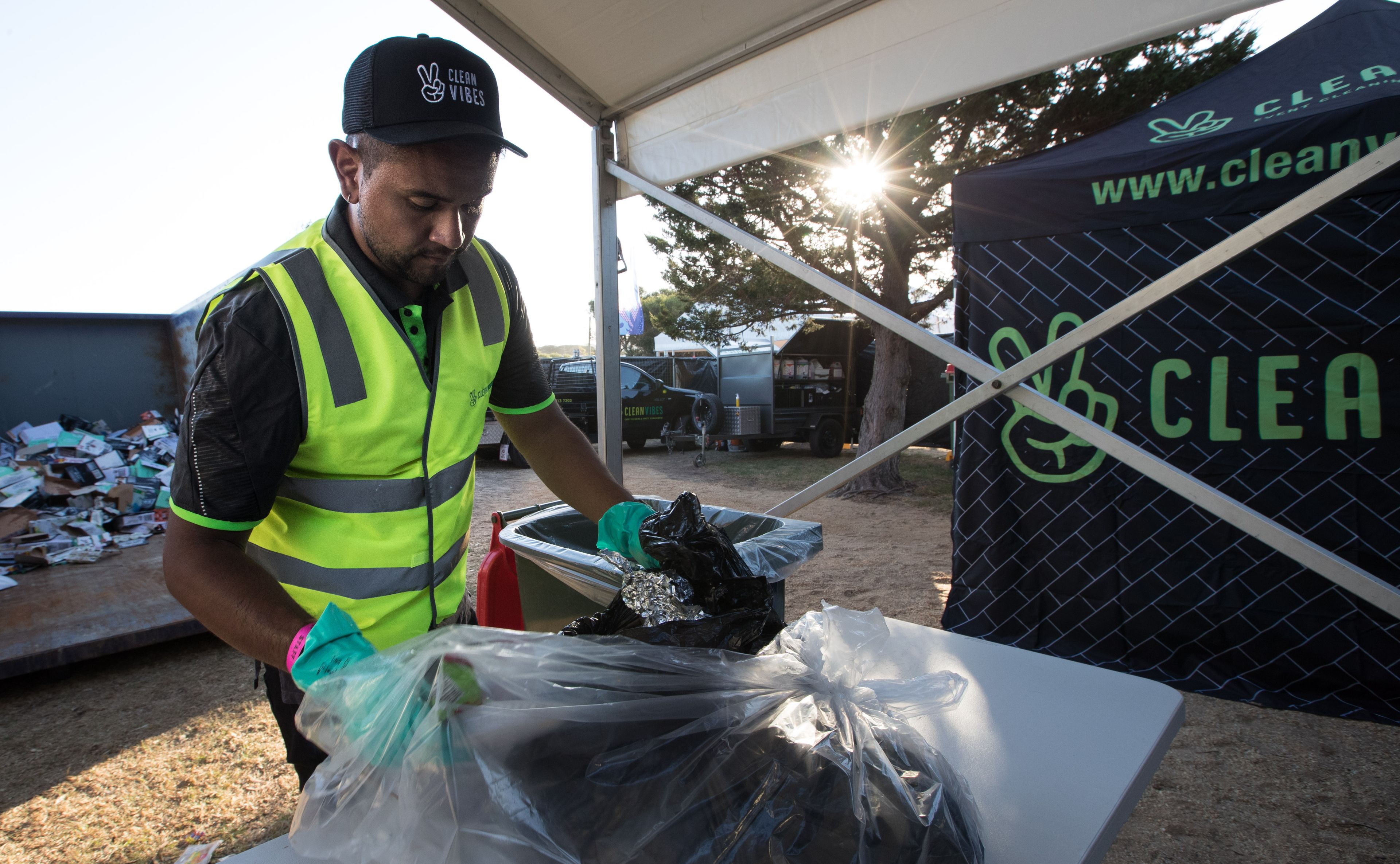
Managing waste sustainably is becoming an increasing priority for businesses, governments, and event organisers across Australia. For example, New South Wales has set a waste management target to triple plastics recycling rates and reduce per-person waste generation by 10% by 2030.
With more stakeholder pressure, it’s critical for companies to understand their waste and how it impacts both finances and sustainability goals. Everyone produces waste, but most organisations have no visibility into what materials are being discarded, how they are processed, and the true cost of disposal.
This is where waste audits can be useful. In this blog, we’ll explore how a structured review of your waste streams can help you understand inefficiencies, create meaningful cost savings and waste management opportunities, and support your business in the long run.
What Is a Waste Audit?
A waste audit is a systematic evaluation of an organisation’s waste streams to understand which waste materials are being disposed of, where they end up, and how the waste processes can be improved. These audits give a clear picture of waste composition and highlight opportunities for companies to reduce landfill disposal.
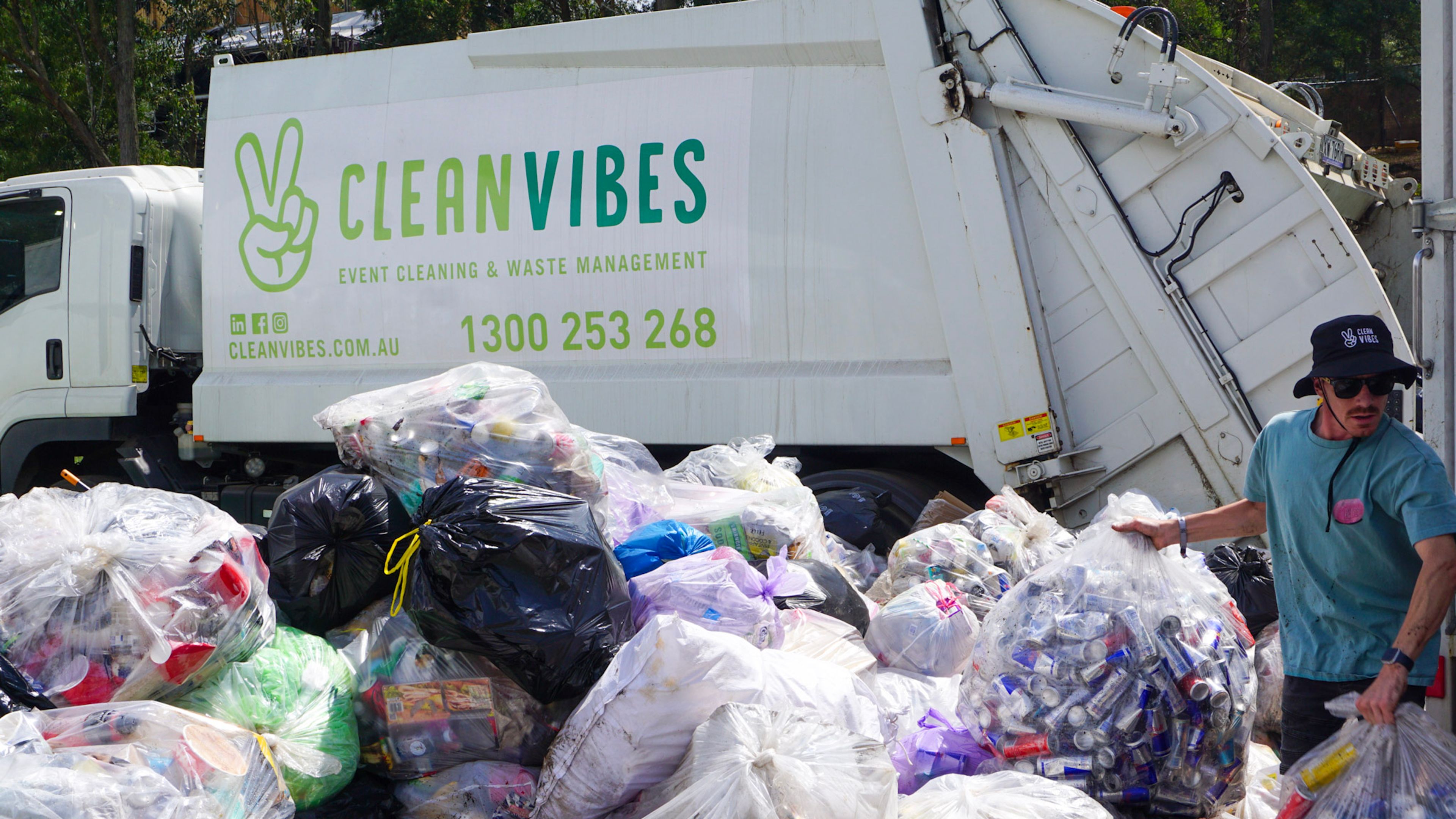
Here’s a typical process on how Clean Vibes implements waste audits during an event:
- Liaise with clients on any issues that may arise during the event
- Liaise with the waste service provider
- Ensure that all cleaning and waste management staff are appropriately trained for the event.
- Ensure that waste stream education is given to staff and volunteers to help achieve event sustainability objectives
- Providing comprehensive cleaning and waste management during the event
- Prepare event waste and recycling reports.
A waste audit typically involves planning the audit and event cleaning, collecting and sorting waste materials, weighing different waste streams, recording detailed data, and preparing comprehensive reports.
Benefits of Waste Audits
Identifying Inefficiencies and Cost-Saving Opportunities
One of the biggest advantages of conducting waste audits is identifying inefficiencies that often go unnoticed. Many organisations unknowingly dispose of recyclable materials in general waste bins or overuse single-use products, which can drain costs and are highly inefficient.
By analysing waste composition, these audits reveal areas where recycling and composting can be implemented. It reduces landfill disposal, which is the most expensive way to manage waste.
Organisations that adopt waste audit recommendations can create measurable cost savings and waste management outcomes by reducing the frequency of waste collection and minimising disposal fees.
Waste audits also highlight opportunities to get returns from recycling (i.e. container deposit schemes), which provides an additional financial benefit.
Supporting Sustainability Goals
For companies with environmental targets, a sustainable waste audit supports these goals with data. Audit findings help businesses develop realistic sustainability strategies, such as reducing reliance on single-use packaging or introducing reusable product initiatives.
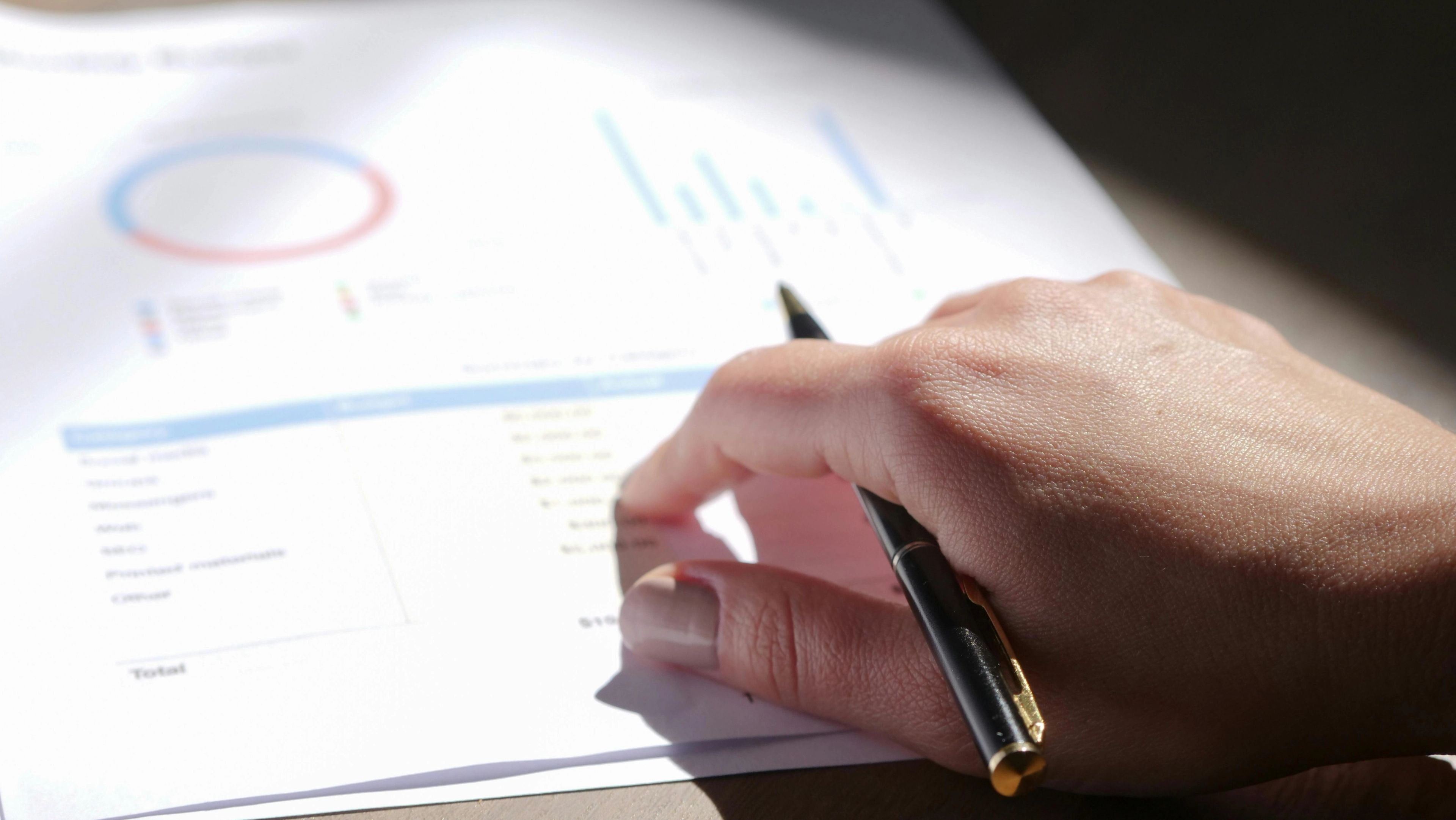
Waste audits also support circular economy practices by encouraging materials to be reused or recycled rather than discarded. It helps organisations track recycling rates and waste diversion numbers through detailed reporting and data analysis.
This approach also strengthens transparency and accountability, so businesses can easily show stakeholders their progress towards environmental commitments and sustainability standards.
Improving Brand Reputation and Compliance
Organisations that prioritise responsible waste management have a stronger brand reputation and increased trust from customers, partners, and stakeholders. In fact, customers are willing to pay a premium for brands that are transparent with their environmental impact.
Transparent reporting shows that your organisation is genuinely committed to sustainability initiatives, which stands out in competitive markets.
Additionally, waste auditing data also supports compliance with Australia's environmental regulations and reporting. Accurate waste reporting is handy during audits, and prevents any potential penalties.

How Clean Vibes Executes Waste Audits
At Clean Vibes, we care about your environmental impact. Our waste audits are done through our Sustainability Audit and Reporting service, where we deliver customised Waste Management Plans tailored to each business.
We also work with clients to implement recommended improvements, including waste-stream education, upgrading bin systems, and improving recycling infrastructure. For decades, we’ve successfully delivered waste auditing services across corporate offices, entertainment venues, festivals, and large-scale events in New Zealand and Australia.

Conclusion
Understanding waste generation is the first step towards improving sustainability and reducing your business’s costs. When companies invest in waste auditing, they gain both environmental and financial benefits, which improve their operations and reputation.
If you’d like to discover how waste audits can be implemented for your business, contact our team today.
Frequently Asked Questions
What is a waste audit and why is it important?
A waste audit is a hands-on review of waste streams to identify what materials are being discarded and how they are managed. It involves collecting, sorting, weighing, and recording waste data to analyse its composition. Regular audits help organisations identify opportunities for improvement, track recycling performance, and ensure compliance with sustainability targets and environmental regulations.
How can a waste audit reduce business costs?
Waste audits reduce any unnecessary waste disposal expenses and reduce landfill usage - which can be expensive for many organisations! By improving recycling processes and reducing contamination, businesses can lower collection fees and disposal costs. Companies can also get financial incentives by recycling eligible containers, providing an additional revenue stream to support other initiatives.
How does a waste audit support sustainability goals?
A waste audit can show exactly what is going into waste streams, which establishes a baseline of accurate information about what's being thrown away. By using this proactive and data-driven approach, organisations can take actionable steps to increase recycling rates and set realistic waste reduction targets.
What does Clean Vibes include in its waste audit services?
We begin by physically sorting and measuring your waste streams over a designated period. Our team will then provide a detailed report that accurately documents your current waste composition and disposal patterns, along with targeted recommendations to optimise recycling rates and reduce costs. We will also work directly with your staff to implement these improvements through hands-on education and training on proper waste management processes.
How often should businesses conduct waste audits?
We recommend doing annual waste audits to monitor sustainability progress and identify opportunities for improvement. However, the ideal frequency depends on the business size, waste volumes, and organisational process (to name a few!). We’ll work closely with you to determine the most suitable auditing schedule so that the waste audits are effective and aligned with sustainability goals.